Best Framing Hammer for Carpenters: Stiletto vs Estwing
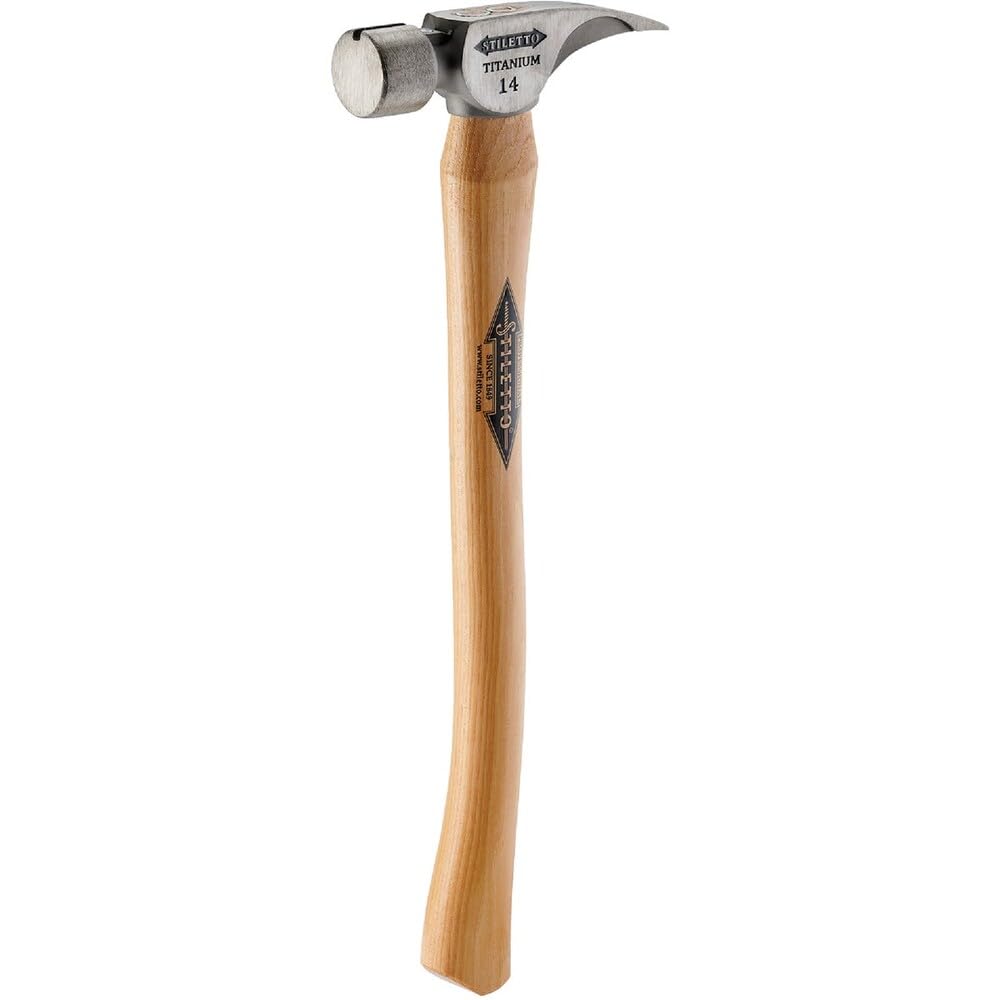

If you’re driving thousands of nails a week, your hammer choice directly impacts your wrist health and work speed. The Stiletto TI14SC stands out as the premium choice for professional framers willing to invest in their tools, while the Estwing E3-30SM delivers solid performance for budget-conscious carpenters or those starting out.
The Case for Titanium: Stiletto TI14SC
At nearly $300, the Stiletto TI14SC feels like an extravagance until you’ve used it for a full day of framing. This hammer weighs just 14 ounces compared to the Estwing’s 30 ounces—that matters when you’re swinging it hundreds of times daily. The titanium head is significantly lighter than steel without sacrificing striking power, and the shock reduction is genuinely noticeable in your hand and forearm after sustained use.
The TI14SC features a milled face that provides excellent nail bite and a smooth reverse side that won’t bounce. The handle is premium leather wrapped over the shaft, and the balance point feels natural even after hours of work. This is the hammer you see in the hands of experienced framers on high-end residential jobs.
Who should buy this: Framers working full-time who value wrist health and speed. If you’re driving more than a few hundred nails weekly, the reduced fatigue alone justifies the cost over several seasons.
The Practical Choice: Estwing E3-30SM
The Estwing remains a workhorse for good reason. At $40-50, it’s affordable enough to replace if lost or damaged, and the all-steel construction with the integrated handle (no handle replacement needed) means it’s durable for years. The 30-ounce head packs genuine striking force, which some framers actually prefer for specific tasks like driving through knots or working with denser woods.
The E3-30SM isn’t fancy, but it’s honest. The grip is textured steel, which won’t slip when wet, and the claw is reliable. You won’t feel the same shock absorption as titanium, and yes, your hand will feel it after a full day of framing work. But it performs the job and costs less than a tank of gas.
Who should buy this: Occasional framers, homeowners tackling renovation projects, or crews that go through multiple hammers and need to keep equipment costs down.
Practical Comparison
The weight difference is the biggest factor in daily comfort. The Stiletto saves about a pound of force with every swing—multiply that by 500 nails and you’re looking at significant fatigue reduction. For occasional use, the Estwing’s heft isn’t a liability and actually helps with driving power.
Resale value matters if you’re building a quality tool collection. Stiletto maintains value; cheap hammers don’t. If you think you might upgrade later, the Estwing is a practical stepping stone.
The titanium head on the Stiletto is also less likely to mushroom or require maintenance, while the Estwing will eventually need face conditioning if heavily used.
The Math
If framing is part-time work or occasional, the Estwing is the answer. If it’s your primary income and you’re using the hammer regularly, the Stiletto’s cost-per-use becomes reasonable when you factor in reduced fatigue, speed gains, and longevity.
For help calculating materials on framing projects, check out our board feet calculator to estimate lumber quantities for your jobs.
Affiliate Disclosure: This site uses Amazon affiliate links, including the product links above. We earn a small commission if you purchase through these links at no additional cost to you. We only recommend products we believe are genuinely useful for carpenters and framers. This doesn’t influence our honest assessment of pros and cons.